

Statehood and Political Expectation


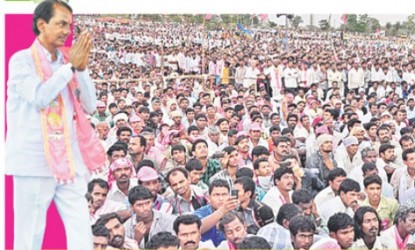
The formation of Telangana was the outcome of a long political process shaped by regional identity, public aspiration and sustained mobilization. Statehood represented hope for administrative responsiveness and development aligned with local realities.
However, political transformation does not end with state formation. Governance must translate aspiration into institutional practice. Without administrative discipline and accountability, expectations remain incomplete.
Governance as Continuous Responsibility
Political authority alone cannot guarantee public welfare. Governance requires clarity of policy, ethical leadership and structured implementation. When politics concentrates only on power, democratic institutions gradually weaken.
Responsible governance demands balance between public sentiment and institutional capacity. It requires leaders who understand administration as well as society.
Political Awareness and Democratic Strength
Democracy becomes meaningful when citizens are aware of governance processes and constitutional responsibilities. Political education strengthens public participation and prevents misuse of authority.
Dialogue, debate and informed engagement are essential for democratic stability. When political discussion is reduced to emotion or short term gain, institutional credibility suffers.
The Ongoing Task
Regional history shapes identity, but governance shapes the future. Responsible leadership must adapt to changing social and economic realities while remaining grounded in democratic principles.
Statehood marked a significant milestone. The enduring task is to ensure that governance remains accountable, inclusive and aligned with public responsibility.