

Governance at the Ground Level
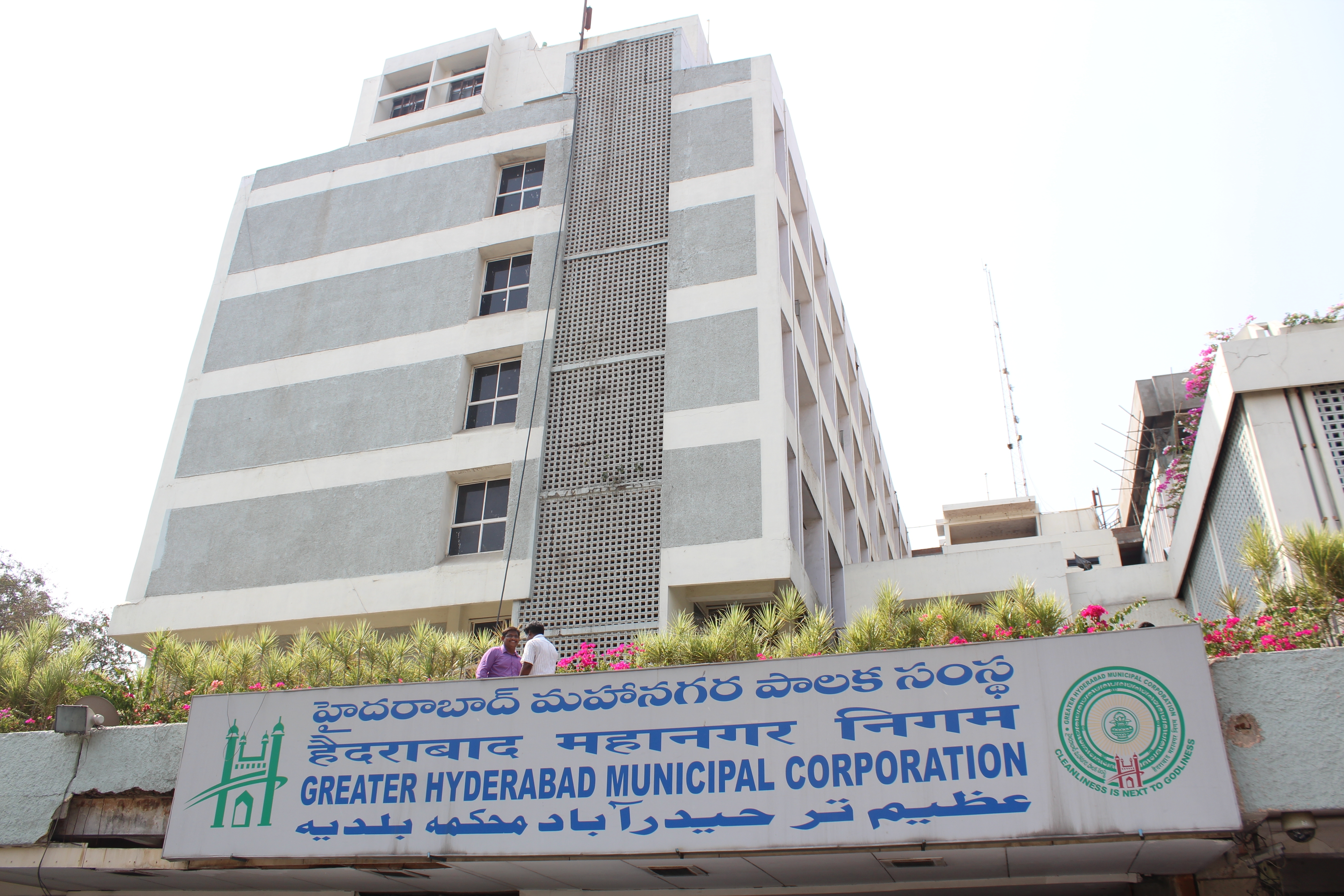
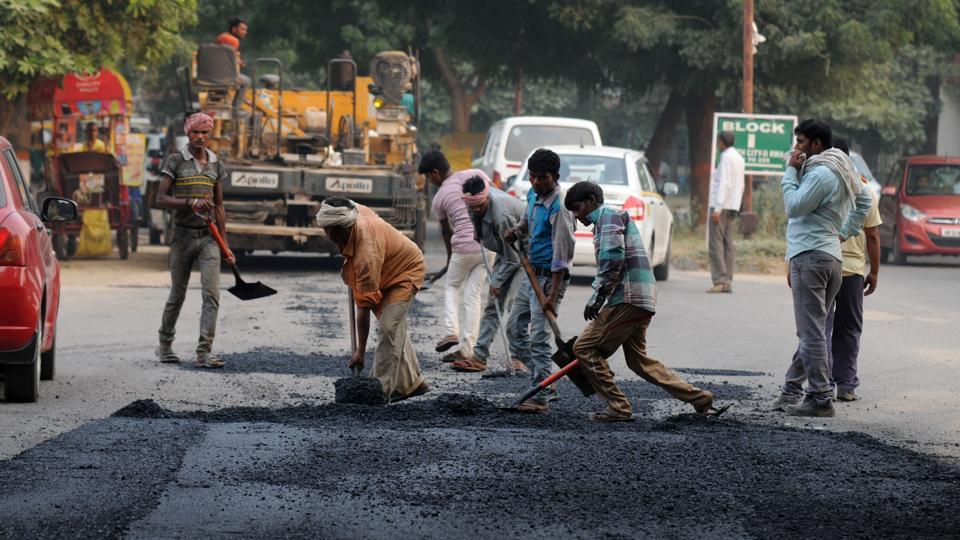
Municipal governance represents the most immediate form of democracy. It is at this level that citizens directly experience the quality of administration through roads, drainage, water supply, sanitation and local services. Urban governance is not abstract. It is practical, visible and measurable.
Local bodies serve as the operational link between policy and daily life. When municipal systems function efficiently, public confidence in democratic institutions increases. When they fail, dissatisfaction emerges quickly.
Structure and Administrative Responsibility
Municipal administration requires coordination between elected representatives and administrative officials. This balance determines whether policy intent translates into service delivery.
Urban governance demands planning, budgeting, monitoring and transparent implementation. Without structured systems, local administration becomes reactive rather than preventive. Accountability mechanisms must therefore remain active and accessible.
Municipal leadership requires understanding of civic finance, regulatory frameworks and service management. Governance at this level cannot rely solely on political messaging. It requires administrative clarity.
Public Participation and Civic Awareness
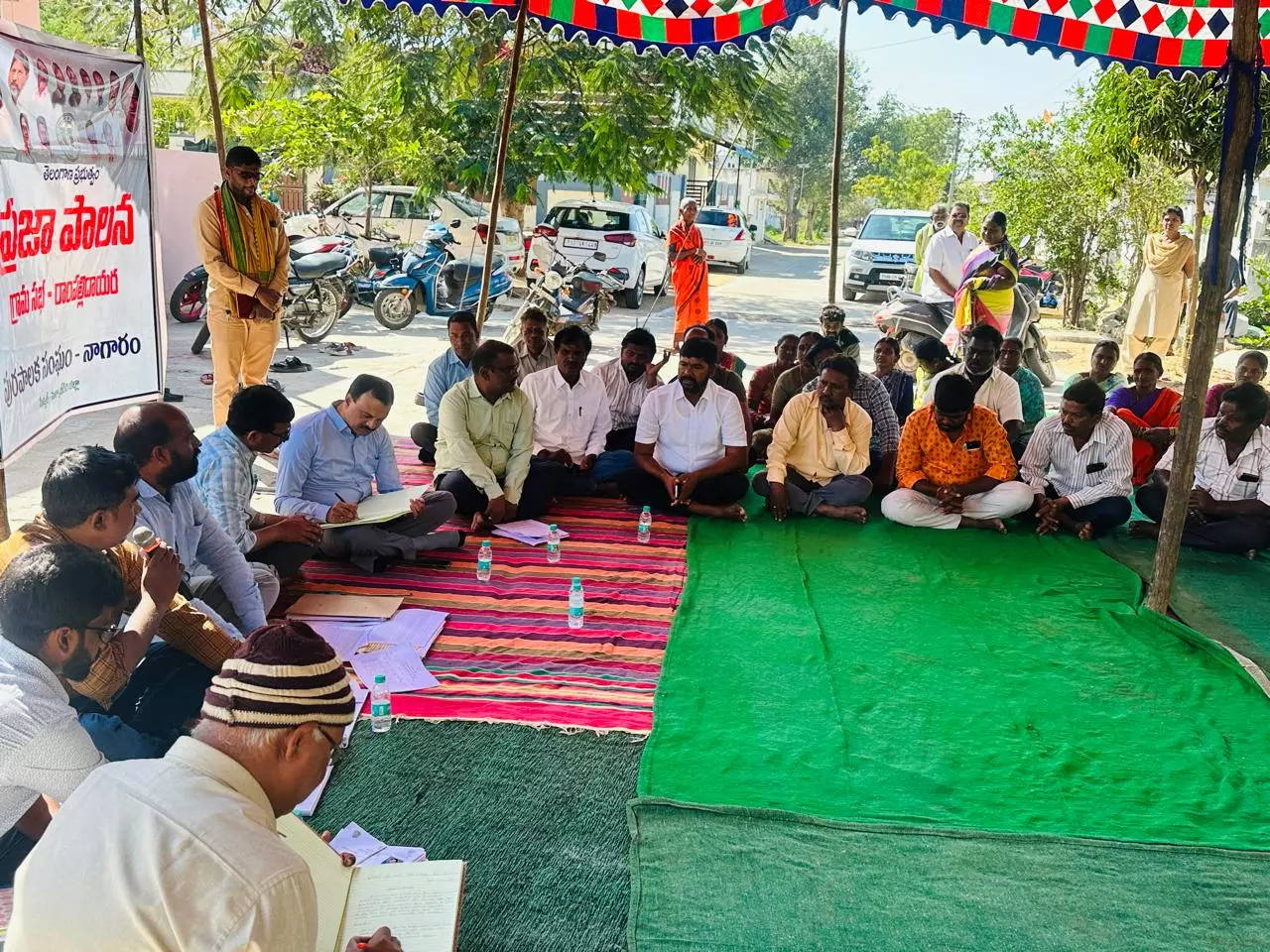
Local governance becomes stronger when citizens engage constructively with municipal processes. Ward level discussions, grievance systems and community participation improve responsiveness.
Civic awareness allows residents to evaluate service quality and demand transparency. Without informed participation, administrative inefficiencies remain unaddressed.
Municipal institutions must encourage dialogue and public review. Democracy deepens when governance is examined at the level closest to the people.
Urban Development and Long Term Stability
Cities evolve continuously. Population growth, infrastructure expansion and economic change require adaptable municipal systems. Governance must respond not only to current demands but also to future challenges.
Urban planning, environmental responsibility and financial sustainability form essential components of municipal governance. When local administration integrates these dimensions, democratic practice becomes more stable.
Municipal governance therefore represents more than service delivery. It is the foundation of democratic credibility. Strength at the local level strengthens the larger political system.