

The Question of Political Education
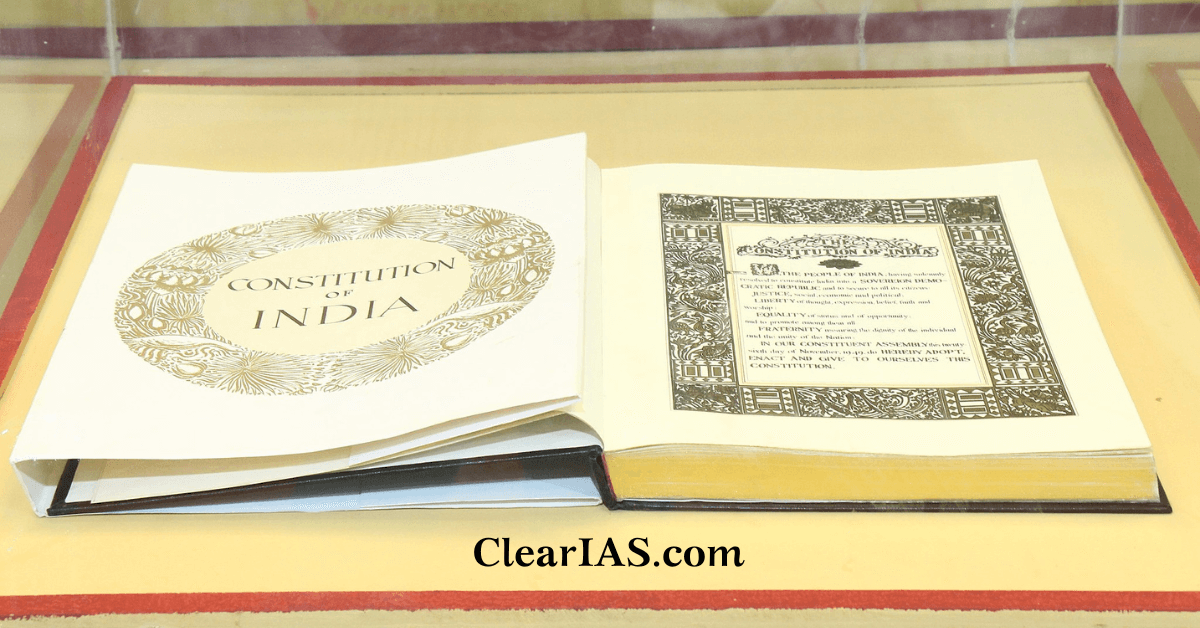


Democracy is often evaluated through elections, but its strength depends on deeper foundations. Political education forms one such foundation. Without understanding governance structures, constitutional principles and administrative systems, participation becomes superficial.
Political awareness is not limited to leaders. Citizens also require clarity about how institutions function and how decisions affect society. An uninformed political environment creates space for instability and misuse of authority.
Politics as Structured Knowledge
Politics should be studied as a discipline. It involves governance mechanisms, economic systems, administrative structures and social dynamics. Treating politics casually weakens democratic processes.
Serious engagement with politics requires preparation. Leaders must understand public administration, constitutional values and policy implications. Citizens must understand rights, duties and institutional frameworks.
When politics is detached from knowledge, it becomes reactive. When grounded in structured learning, it becomes stable.
Accountability and Institutional Balance
Democratic systems rely on balance between authority and accountability. Institutions must function independently, yet remain connected to public needs. Leadership must operate within constitutional boundaries.
Political decisions influence social harmony, economic development and administrative functioning. Therefore, responsibility cannot be secondary. It must remain central to political life.
Without accountability, authority becomes fragile. Without institutional respect, governance loses credibility.
Long Term Democratic Stability
Reform is gradual. Sustainable political development requires continuous education, dialogue and ethical reflection. Political literacy strengthens both leadership quality and citizen participation.
Democracy survives not through slogans, but through understanding. It remains stable when political actors treat governance as responsibility rather than opportunity.
Political education, therefore, is not optional. It is essential for democratic continuity.